

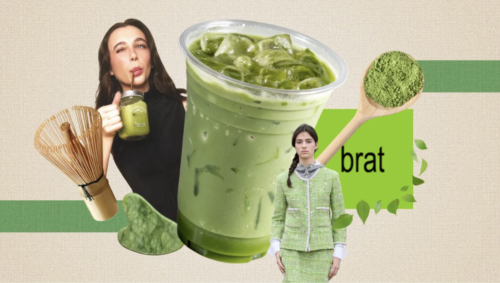
Matcha is one of the fastest-growing coffee shop beverages across the country, becoming a new alternative to traditional espresso. Its striking green color and delicious flavor aren’t the only reasons for the 19% year-over-year increase in consumer interest in matcha on social media. Its striking health benefits are also the reason it has brought in so many sales.
One of these health benefits is its high antioxidant content. These antioxidants help stabilize harmful free radicals, compounds that can damage cells and contribute to the development of chronic diseases, while also preventing aging and diseases like Alzheimer’s. Its combination of L-theanine and caffeine allows the consumer to stay alert, improve memory, and sharpen focus, overall boosting cognitive function. Matcha has proven to be a great alternative to sugary drinks, offering brain support and helping boost metabolism.
The traditional matcha originated in China during the Tang Dynasty, but became more popular when a Japanese Buddhist Monk, Eisai, in 1191brought with him home to Japan, tea seeds along with the Zen Buddhist method of preparing the powdered green tea. He then planted these seeds on the temple grounds in Kyoto. This began the production of matcha in both China and Japan.
From ice cream to cookies to even KitKats, the matcha craze is taking over global markets. Stores like Blank Street have re-designed the matcha industry, taking it from a traditional tea beverage and turning it into a creative dessert with flavors varying from strawberry shortcake, banana bread to blondie and blueberry.
Suppliers have been warning of shortages and rising prices in Matcha production, with prices nearly tripling between 2010 and 2023. Matcha drinks have seen a 202% increase in sales in the UK alone, with the global matcha market projected to reach over $7 billion USD by 2033.
It’s not just its health benefits and taste that attract so many customers, but also the vibrant color that makes it a great picture for social media. In the age of social media, everything needs to be aesthetically pleasing, and matcha is just that.
Among Gen-Z, matcha is a lifestyle symbol shaped by the “wellness” aesthetic. Esha Ibrampurkar is a creative director and matcha enthusiast who recently hosted a workshop on matcha. She says that, “Matcha aligns with the current narrative of slow living… that’s the kind of package being sold — It’s about appearing calm, having a certain aesthetic and needing matcha to complete that image… But how much you buy into it is entirely your prerogative.”
We went around the quad asking Form IV students if they understood the hype with matcha. We got responses from two students. Form IV student, Lexie Rothman, replied, “To be honest, I’m not a big fan of the traditional matcha, it honestly tastes like grass.” However, we also asked Form IV student Chloe Won her opinion on matcha and if she gets the hype, to which she said,” Yes, I drink a matcha once a day, you just need to find the right order.” Clearly, we have some differing opinions, telling us that the hype is somewhat understood.
Clearly, it’s not just the taste but also the trendiness that is driving the product’s popularity. Recently, almost every influencer seems to be drinking matcha, tempting viewers to hop onto the trend. Sales are continuing to rise, and brands are finding new ways to incorporate it into their products. From ice creams to skincare, matcha isn’t going anywhere. It’s not just a beverage but a lifestyle that is making its way into 2026.
