

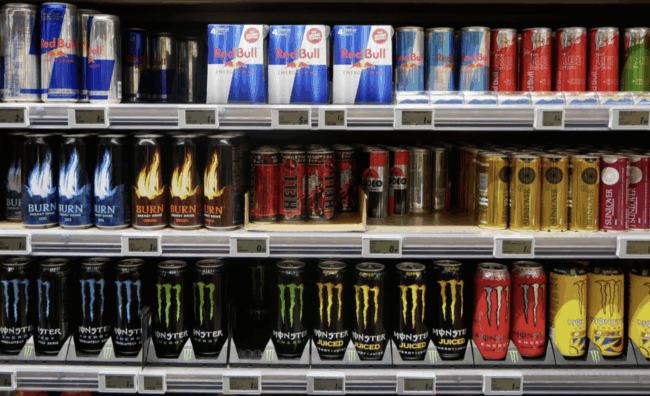
Within 24 hours, students have to fit in their academics, sports, social time and extracurriculars. Unfortunately, the little amount of hours left for sleeping is often sacrificed. However, sleep is the one way to passively get smarter and be ready and prepared for the next day. Lack of energy can lead to excessive stress, depression and various health risks. So students have taken it into their own hands to fix their lack of energy. If you walk around the Fieldston campus at 8:30 am or at any sporting event, you will likely find students with energy drinks such as Celsius, Alanis or Bloom Energy. These drinks have between 100 mg – 300 mg of caffeine and often come in various fruity flavours.
So how do these drinks work? On the chemical level, energy drinks increase both mental and physical energy, primarily through two key ingredients: caffeine and sugar. Caffeine is a stimulant drug that is not naturally found in the human body, but rather in coffee beans or cocoa beans. Once the caffeine reaches your brain, it binds to the receptors responsible for adenosine, a neurotransmitter that promotes sleep and drowsiness and is created by your brain throughout the day. This allows your neurons to be more energized. However, caffeine doesn’t give you any new energy to burn. This is where sugar comes in. Sugar is absorbed through your intestines, which travel to your blood and eventually all over your body. When sugar makes contact with a cell, it’s directed to the mitochondria, which then create all-purpose energy molecules out of it. This is the energy that your body experiences after consuming an energy drink. Although various long words end in -ose or -ine that may seem important on the packaging of an energy drink, there is little to no evidence that these ingredients actually contribute to the change in either your physical or mental energy.
Energy drinks may seem like a harmless solution to sleep deprivation, but they are quite harmful to your health. Right after the energy jolt provided by caffeine and sugar, a large crash occurs, which exacerbates the drowsiness and sleepiness that you experienced before consuming the drink. In addition, caffeine also increases blood pressure and heart rate, causes restlessness and anxiety, and issues with falling asleep. For a teenager, only 100 mg of caffeine a day is recommended, which is often less than the average of one can of an energy drink (100 – 250 mg). However, once in a while, drinking these is not bad for you, as long as a pattern doesn’t occur. Although it may be hard to get sleep, try to create a healthy diet as well as a steady exercise schedule to help boost your body’s natural energy levels.
