

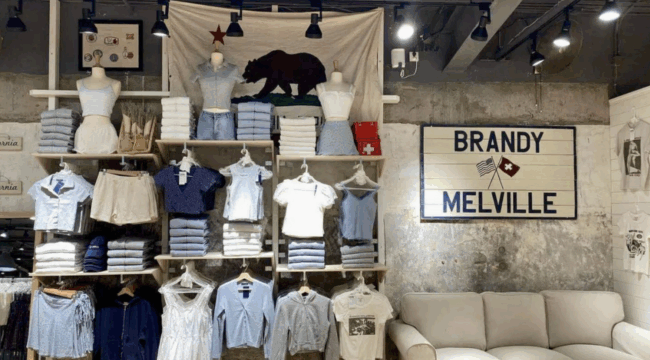
As winter wardrobes begin to languish in closets and tank tops become as ubiquitous as seasonal allergies, many Fieldston students start wearing the trendy, affordable clothes from Brandy Melville, a brand whose popularity persists despite its discriminatory policies incongruent with ethical living. First opened in the United States in 2009 near the campus of UCLA, the fast-fashion store with a carefree, California-cool aesthetic quickly gained a chokehold over teenage girls, an obsession that continues today. Now, Brandy Melville can be found all around the country and world; in New York, the line to get into the SOHO Brandy Melville often stretches down the block.
I first encountered Brandy Melville during a family vacation to Long Island, the summer after 5th grade. I approved of the neutral colors and clean lines, basic wardrobe staples more suitable for middle school than my pink GAP t-shirts and Old Navy jeans. My mother approved of the price tags, never above $50.00. When I arrived at school in September, I realized I had discovered, along with many of my classmates, one of the most popular clothing brands for adolescent girls. I saw Brandy Melville clothes on friends, cousins and random girls in elevators, classmates spent study halls scrolling shopping Brandy online and I considered it a common occurrence to run into someone wearing the same Brandy top.
However, while I, along with my peers, often purchased Brandy Melville clothes, I understood that my patronage of the store went against my values: the store has a one-size fits all policy, meaning all Brandy clothes come in the same size small, which corresponds to between a US size 0-4. The lack of size inclusivity has led to widespread condemnation because of its toxic impact on cultural standards and self-esteem, including from pop singer Billie Eilish, who told Complex that her preteen obsession with Brandy Melville led to her negative body image.
My misgivings only grew when I read an article in Business Insider detailing the company’s a long history of racism, anti-semitism, sexual harassment and mistreatment of workers. Former employees alleged the company implemented discriminatory policies, only hiring young, thin and white women to work in the stores. The Business Insider article also revealed Marsan and other senior leadership of the company participated in a group chat called “Brandy Melville Gags,” where they sent pornographic, racist and anti-Semetic content, including memes about Hitler. Additionally, according to Teen Vogue, CEO Stephan Marsan required employees to send him full body shots of their outfits, and allegedly fired workers for gaining weight or “looking depressed.”
Considering these issues, Brandy Melville’s popularity among Fieldston students raises the question of why otherwise socially responsible, ethically minded teenagers would continue to shop at the store. Between the store’s obvious size discrimination, numerous magazine exposes and an HBO documentary scathingly titled, “Brandy Helville,” knowledge of Brandy Melville’s problematic practices abounds. However, this has not translated to any meaningful cessation in purchasing Brandy clothes among Fieldston students, many of whom possess the identities the company or CEO have targeted.
I feel ashamed to admit I did not stop buying from Brandy Melville after thinking about its size policy and learning about its scandals. I knew my patronage of the store fundamentally opposed my moral beliefs. I knew my identity as a woman of color precludes me from fitting the “Brandy Girl” aesthetic. And yet, I continued to incorporate new Brandy Melville clothes into my wardrobe.
I had fallen for the store’s insidious appeal: its exclusive policies coupled with its widespread popularity create a powerful allure. How intoxicating, to be part of a collective, to visibly fit in with other girls. Brandy Melville feeds into the social conditioning all women receive at a young age, acting as a convenient social marker and status symbol, all for the price of $25.00.
However, as I have gotten older, I have become determined to resist the convenience, affordability and comfort of buying Brandy Melville clothes. The benefits, while numerous, do not outweigh the costs: giving money to a company that stands for everything I stand against. To truly embody the school’s values of inclusion, tolerance and moral responsibility, Fieldston students must stop purchasing clothing from Brandy Melville.
