

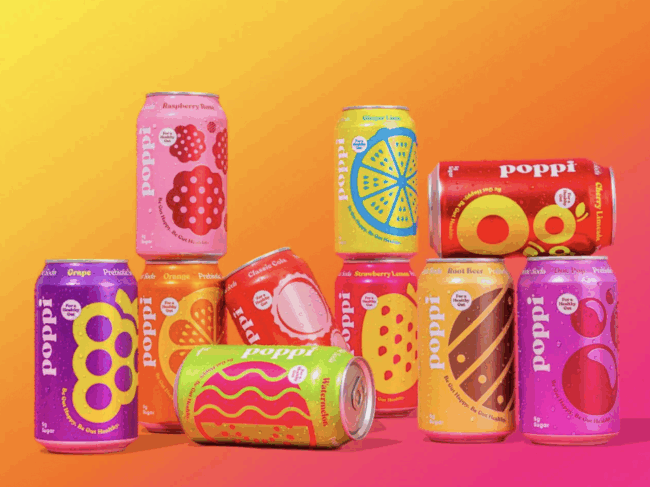
On March 17, 2025, PepsiCo acquired Poppi, a trending soda brand made popular by its flashy packaging, expert marketing and appealing taste. PepsiCo, known for its sugary soft drinks Pepsi and Mountain Dew, needed to add a healthier alternative to its roster of products to maintain relevance in the beverage industry as consumers shift to healthier lifestyles. The $1.95 billion purchase means consumers will be bombarded with advertised drinks and branded merchandise. Healthy sodas should maintain the fun, fizzy flavors the public loves while being honest about their benefits to the drinker’s well-being. Poppi fell flat in both of these aspects.
Poppi’s success can be attributed to its prominent social media presence. Its eye-catching, vivid packaging captures the attention of Gen Z, a group consistently enticed to buy products with an aesthetic appeal. Poppi has 686,400 followers on TikTok and frequently collaborates with popular social media influencers like Alix Earle and Jake Shane. The website boasts about celebrities seen with the drink in hand, including Kylie Jenner, Hailey Bieber and Jennifer Lopez.
Poppi’s Raspberry Rose comes in a light pink can decorated with shiny metallic cartoon raspberries. Consistent with its social media hook, the can reads, “Ready for a selfie? This super fresh, oh-so-juicy, lightly floral flavor belongs in your next photo dump. Slay!” The only thing they got right was that the drink belonged in a dump. The first sip is a relatively pleasant, light, sweet, fizzy flavor. The feeling quickly fades as the bitter aftertaste of stevia settles in. The Cherry Cola flavor, packaged in a stunning red-purple can adorned with a red cherry cartoon, smells like a watered-down soda and tastes almost as acidic as the Raspberry Rose. Lemon Lime advertises that it contains only three grams of sugar, which is evident by its sharp, sour flavor, making it nearly painful to drink in a normal-sized gulp.
Allison Ellsworth started the company when she learned about the health benefits of apple cider vinegar, which she decided to infuse into a better-tasting drink. She and her husband Stephen sold the drink, formerly Mother Beverage, in farmers’ markets until their Shark Tank debut in 2018. Rohan Oza, an investor in the company dubbed “Hollywood’s Brandfather,” for his marketing skills, rebranded the drink from an understated glass bottle to a flashier, bolder can with a snappier, more appealing name.
Poppi claims to be a healthier alternative to traditional soda because it contains less than five grams of sugar and fewer than 25 calories per serving. It is a “prebiotic soda,” with inulin, a fiber that supposedly promotes better gut health. A former customer filed a class-action lawsuit against Poppi for $5 million, claiming that Poppi falsely advertises its health benefits. The case reads, “Poppi soda only contains two grams of prebiotic fiber, an amount too low to cause meaningful gut health benefits for the consumer from just one can.” The plaintiff states that for customers to receive the benefits, they would need to drink more than four cans each day, cancelling the other benefits because of the associated sugar intake.
Ellsworth knows the brand appeals to Gen Z for its looks, not its contents: “Poppi’s become so much more than a soda… From exclusive merch to exciting collaborations with other brands, we’re creating hype and interest that goes beyond a product. …The response we see from Gen Z lets us know we’re on the right path!”
Fieldston students have varied opinions about the soda. Sophia Ahmed, Form IV, exclaimed, “I love Poppi!” while Cordelia Harting, Form IV, expressed her dislike for the beverage: “I am not a big fan of Poppi. I like Culture Pop more. It doesn’t have artificial sweeteners and uses real fruit while having the same health benefits.”
People purchase Poppi for its aesthetic, not its product value. Poppi beat out its competitors like Olipop and Culture Pop because of its fabulous advertising and social media campaigns. In addition to vile solutions in colorful cans, they sell neon sweatshirts, socks and baseball hats at Target. Unless a consumer plans on licking the side of the can (which seems like a more pleasant option than drinking its contents), they he should steer their his shopping cart away from this drink.
