The Trump administration’s new and aggressive push for a peace settlement in the Russia-Ukraine war has entered a new and unsettling phase, with American officials claiming progress even as the gaps between what the United States is proposing and what Ukraine is willing to concede remain large.
This week, Army Secretary Dan Driscoll, a surprising pick for a diplomatic envoy due to his lack of diplomatic experience, traveled to Abu Dhabi to meet directly with Russian officials, the first time in this round of talks that American negotiators have engaged Moscow face to face. The meetings followed direct discussions in Kyiv and Geneva, where U.S. negotiators tried to sell Ukraine on a modified version of a controversial 28-point peace plan leaked to the media last week. President Trump has shown some optimism over the negotiations, writing on Truth Social that “big progress is being made” while still expressing caution, urging observers not to believe anything until they see concrete results.
Secretary of State Marco Rubio described the negotiations as “very positive” and remarked that the remaining issues were “not insurmountable,” while White House Press Secretary Karoline Leavitt said that negotiators had managed to “fine tune” the proposal and that there were only “a few remaining points of disagreement.” However, some sources close to the negotiations claim a number of major issues remain unresolved, risking derailing the entire process.
The original 28-point proposal, which was prepared by the Trump special envoy Steve Witkoff in consultation with Russian envoy Kirill Dmitriev, was met with fierce criticism in Ukraine and Europe when the details became public. Critics of the deal described it as a Russian “wish list” that would reward Moscow’s aggression and leave Ukraine exposed to possible future attacks. The most controversial of these demands is that Ukraine yield control over territory in the Donbas region, including heavily fortified cities that Kyiv considers crucial for the country’s defense.
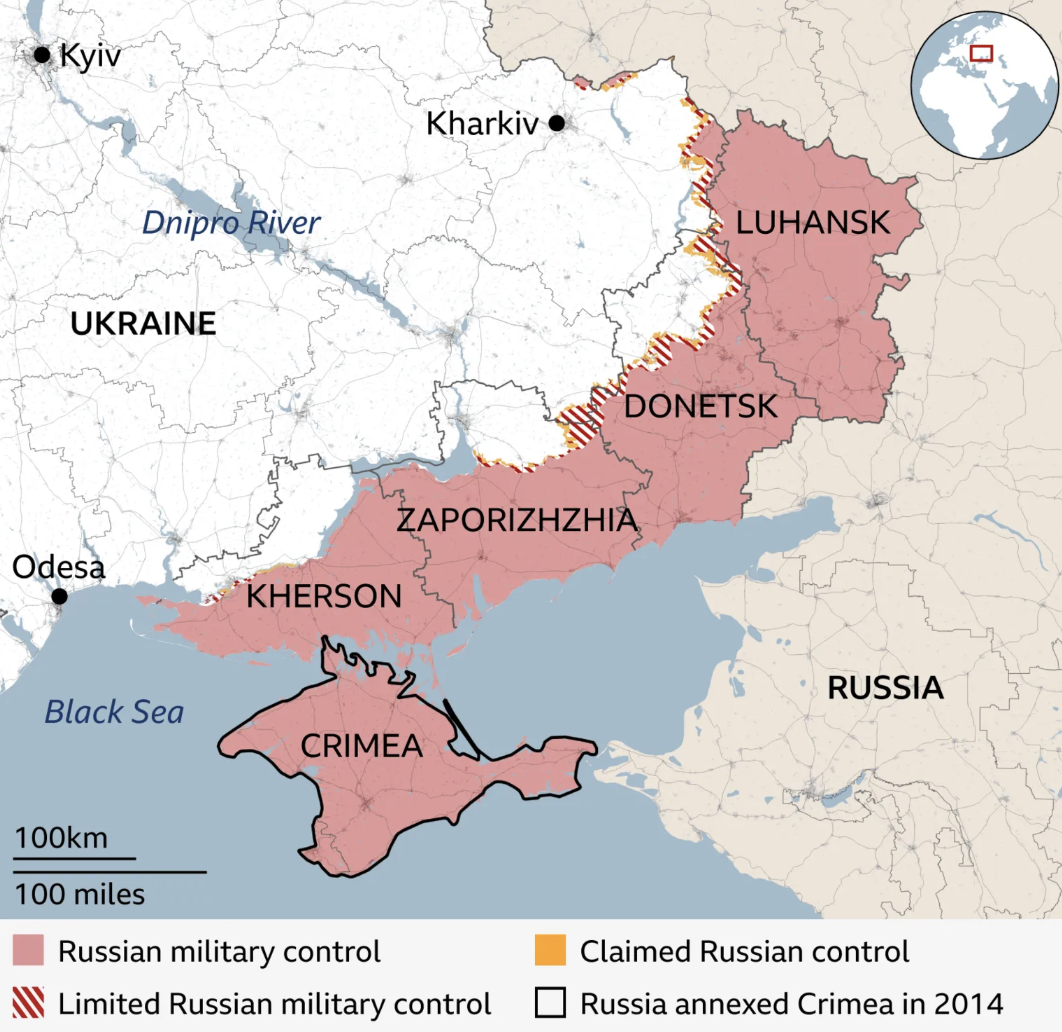
The plan would also force Ukrainian troops to pull back from the parts of the Donetsk Oblast currently under their control, with the aim of setting up a demilitarized buffer zone internationally recognized as Russian territory. Russia would also receive international recognition of its control over Crimea, Luhansk, Donetsk and portions of Kherson and Zaporizhzhia along the current line of contact, a goal long sought by Russia ever since its conquest of Crimea in 2014. Apart from the territorial concessions, the draft requires that Ukraine cap its military to 600,000 personnel, down from its current wartime force of 800,000 to 850,000, but still up from its pre-war force of 250,000. Finally, Ukraine would have to enshrine in its constitution a permanent prohibition on joining NATO, a break from its 2019 constitutional provision aiming to join NATO.
To some experts, this agreement parallels the 1938 Munich Agreement, when Britain and France pressured Czechoslovakia to surrender the Sudetenland to Nazi Germany. Like the Sudetenland, which housed Czechoslovakia’s strongest defensive fortifications, the Donbas is Ukraine’s most heavily fortified defensive line against Russian aggression. The security guarantees offered by Britain and France to the Czechoslovakian rump state were ultimately worthless after Germany invaded the remainder of the country months later. Some worry that vague American promises of a “decisive coordinated military response” to a Russian invasion may prove equally worthless when tested.
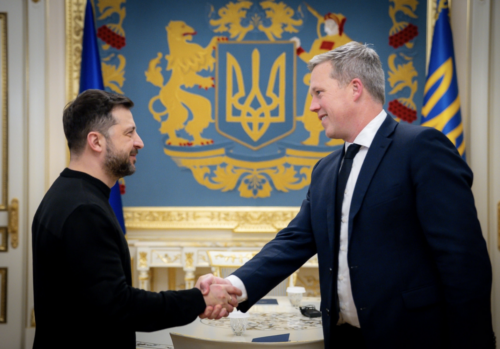
In another key provision of the deal, NATO would have to add a provision to its statutes blocking Ukraine from attaining membership in the future. These restrictions on Ukraine’s independence and military capabilities have taken criticism from European leaders such as Starmer and Macron, who argue they would leave the country defenseless against Russian aggression. Ukrainian President Volodymyr Zelensky has said his country is being made to choose between dignity and American support, while European Commission President Ursula von der Leyen issued a statement reiterating that borders cannot be changed by force and that Ukraine, as a sovereign nation, cannot accept limitations that would leave it vulnerable to future attack.
The plan does include some sections designed to deter Russian aggression, most notably, a U.S. security guarantee that would trigger a “decisive coordinated military response” if Russia invades Ukraine again, though the document does not specify what role the United States would play in such a response. In the past, Trump has suggested American air security guarantees as a potential option. In the realm of economics, the deal includes using $100 billion in frozen Russian assets to fund Ukraine’s reconstruction, with the United States receiving 50% of the profits from that venture. In addition, U.S. and European sanctions on Russia would be lifted in phases, and Russia would be invited to rejoin the G8, from which it was suspended in 2014. The plan also calls for U.S.-Russian cooperation on artificial intelligence, mining, and energy projects, in addition to a provision granting amnesty to all parties for actions taken during the war, shielding Russian officials and soldiers from prosecution for war crimes.
The diplomatic process so far has been unorthodox and fast-moving. Driscoll, a civilian Army secretary and friend of Vice President JD Vance from their time together at Yale Law School, was thrust into an unexpected diplomatic role not typically held by someone in his position. After presenting the initial plan to Zelensky in Kyiv last Thursday, he traveled to Geneva for further discussions with Ukrainian officials before heading to Abu Dhabi to engage the Russians directly. His center stage role is likely a result of the administration’s belief that military-brokered negotiations might prove more effective than traditional diplomatic channels, as U.S. Army commanders have maintained close relationships with Ukrainian counterparts throughout the war, while American officials believe Moscow may have greater respect for U.S. military leadership than for State Department diplomats.
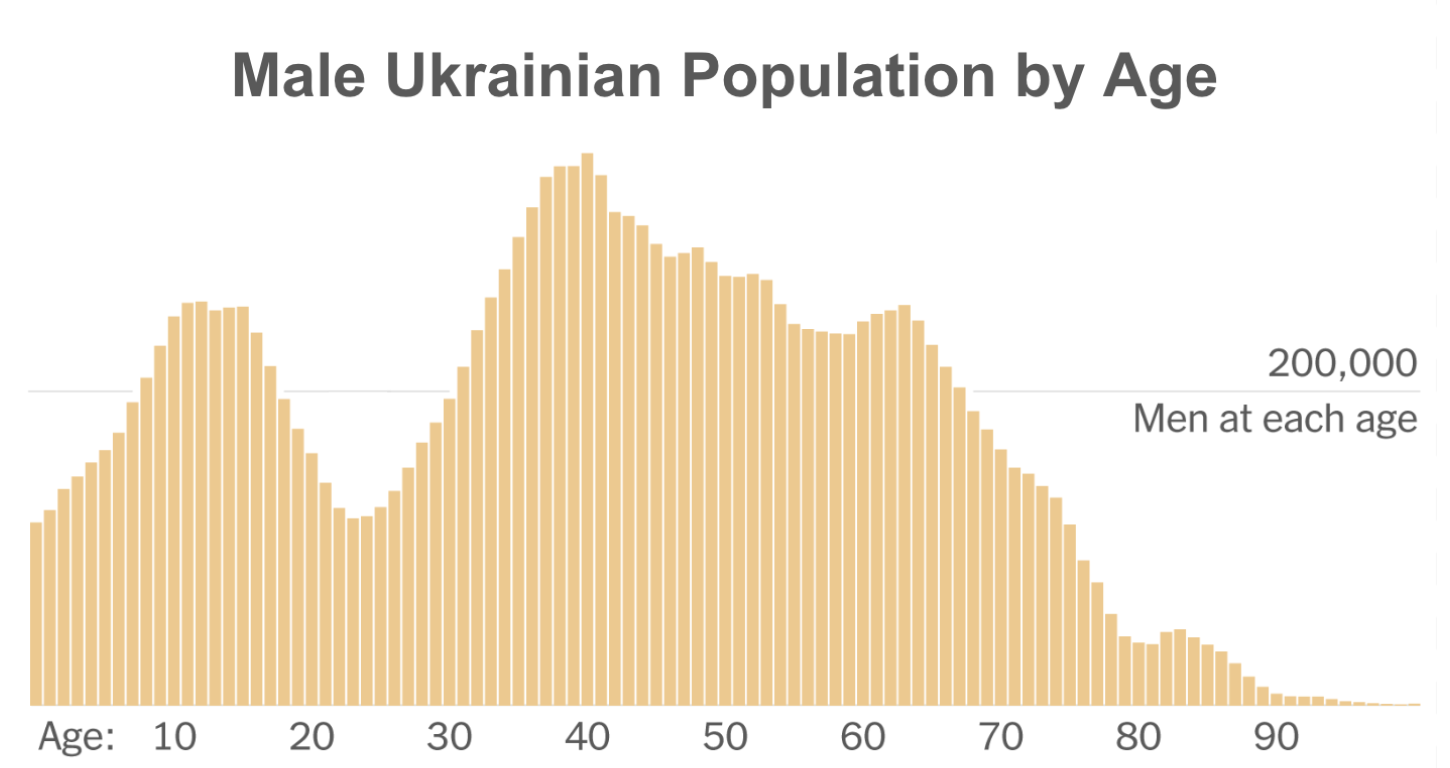
The military situation also adds an aspect of urgency to the negotiations. Ukraine is slowly losing its war of attrition with Russia, suffering heavy casualties while dealing with war-weariness among its population and a major corruption scandal involving kickbacks to associates of President Zelensky. Additionally, Ukraine is running up against its long-standing demographic troubles. Despite Zelensky lowering the Ukrainian draft age from 27 to 25, Ukraine’s low birth rate (1 birth per woman in 2023) is resulting in a shortage of healthy young men, the backbone of most militaries. Russia, despite its own severe losses estimated at 300,000 dead, has a population almost four times as large as Ukraine, so it is able to keep applying military and psychological pressure in hopes of breaking Ukraine’s fighting spirit. As for Putin, intelligence assessments suggest he views the Donbas as merely an appetizer and hopes to eventually annex central and southern Ukraine, which is why, despite the difficult terms, both Ukraine and Europe are engaging with the peace proposals—even a flawed truce may look preferable to prolonging a war that grows more desperate by the day.
European nations, meanwhile, have struggled to create a coherent response to the crisis. Plans to use frozen Russian assets to support Ukraine have stalled, with Belgium blocking the proposal, while France and Germany remain without clear strategies nearly four years into the war. The Trump administration’s message to Europe has been unambiguous: take primary responsibility for the security situation or watch Ukraine collapse.
Whether the Trump administration’s approach will succeed remains to be seen. In the past, Russian officials rejected earlier European counter-proposals, and Putin has shown no desire to moderate his demands. The coming days will show whether the Trump administration’s characterization of “tremendous progress” is the result of genuine diplomatic breakthroughs or wishful thinking.