This summer, I visited Spain. I arrived expecting heat, good food and old buildings. What I hadn’t anticipated was how thoroughly the rhythm of life would differ from anything I experienced before and how deeply it would change me.
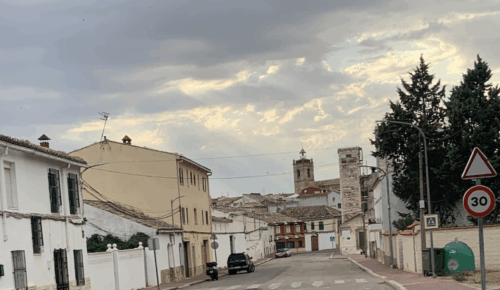
The first thing I noticed was the midday silence. Around two in the afternoon, everything came to a stop. Shops closed, streets emptied and families disappeared behind closed doors. At first, I assumed it was just an unusually quiet day, but upon asking someone where everyone was, I learned of the sacred siesta. Between two and six, everyone sleeps, or at least moves indoors. I found myself adjusting my own routine around this daily pause: eating a large lunch, reading during the quiet hours, emerging again when the streets refilled around 6 pm. Dinner at 8 or 9 pm took time to feel natural, but eventually I adjusted. It felt oddly liberating to abandon the pressure of a tightly packed schedule.
Time in general felt looser and less precise. Posted shop hours were more like suggestions than strict schedules. Stores opened late and closed early, and locals seemed unbothered by this irregularity. I figured out pretty quickly that it was pointless to show up right when a shop was supposed to open or close; you had to assume a half-hour of wiggle room on either side. At first, that unpredictability was frustrating, but over time, I adjusted.
Some lessons emerged through mild discomfort. Air conditioning, outside of major cities, was practically nonexistent. Locals insisted that the best substitute was to open windows in the morning and seal them by 10 am, “trapping the cool air inside.” I tried it faithfully, day after day, but it never seemed to work – the so-called “cool air” quickly warmed as the heat rose. The home’s thick walls were also meant to keep the interior cool, but the top floors still felt like ovens. Eventually, I moved to a ground-level room and learned to appreciate the subtle temperature differences between floors.
Laundry, too, required adjustment. Most homes lacked dryers, with the simple justification: “It’s hot outside,” as though that explained everything. And yes, it was hot and the clothes dried quickly, but I missed the softness of clothes straight from a dryer.
One of the more surprising discoveries came not from my small town, but from a visit to Madrid. There, I learned about the city’s strict environmental driving policies. Older, less fuel-efficient cars were banned from entering certain zones in an effort to combat air pollution. To me, this felt remarkably progressive, especially in comparison to New York, where aging vehicles are ubiquitous and the air quality often suffers as a result. While I admired the commitment to sustainability, I also noticed the policy’s unintended consequences—taxis for trips into and out of Madrid were noticeably expensive, perhaps in part because of the higher standards for vehicles. It was a reminder that every choice, however forward-thinking, comes with its own trade-offs.
Despite the heat, the uncertainty and the quirks of daily life, I grew to love the rhythm of Spanish life. The intentional slowness to it all; a deliberate pause between meals, between tasks, between chapters of the day. What at first felt like an inconvenience eventually grew into a relaxing routine. When I returned home, I brought with me more than memories. Spain, in its own quiet way, taught me that sometimes the most productive moments come from slowing down.