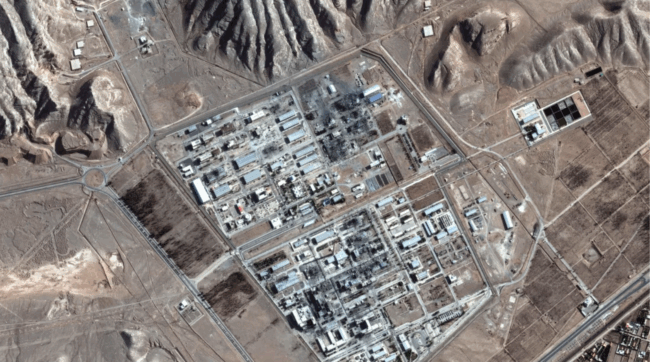
In 2015, the Joint Comprehensive Plan of Action (JCPOA) negotiated an agreement between Iran and several world powers, including the US, to limit the Iranian uranium stockpile to 300 kg. The Obama administration viewed this agreement as integral to further stabilizing the Middle East. After Donald J. Trump took office in 2016, the US withdrew from the JCPOA, with Trump stating it was “a horrible one-sided deal that should have never, ever been made.” As a result, Iran began accelerating its uranium enrichment program. Despite Iran assuring the rest of the world that its nuclear program was for peaceful purposes, Israel remained on high alert about the program. Israel viewed Iran’s nuclear program as a threat to its national security.

The Middle East was turned on its head last month when the Trump Administration decided to entangle itself in the Iran/Israel War by bombing the three nuclear sites of Natanz, Fordo and Isfahan. Trump deems the move necessary for the security of Israel, the Middle East and the rest of the world. After the shock of the attack wore off, pundits debated first over how much damage the nuclear program had incurred due to the attack, followed by what would become of the Iranian nuclear program. The first 72 hours after the attack included some confusion as to how much actual destruction had taken place in the bombings. Trump claimed the sites were “obliterated”, while some news sources had reported on leaked initial findings from the Pentagon that questioned how much the nuclear program was set back. The difference in opinion on the extent of damage was on clear display during Secretary of Defense Pete Hegseth’s fiery press conference that followed the US strikes. At that point, regardless of what the intelligence concluded, Hegseth shared Trump’s assessment. “We should celebrate it as Americans,” Hegseth said. “Choose your word: destroyed, defeated, obliterated.”
Ten days following the strikes, the Pentagon formally assessed the bombings as a significant degradation of the Iranian nuclear program. According to Sean Parnell, a Pentagon spokesperson, “We have degraded their program by one to two years, at least intel assessments inside the Department (of Defense) assess that.” The damage to thousands of delicate centrifuges that enrich uranium is what has mainly set back the Iranian program, according to experts from the Pentagon and the Defense Intelligence Agency (DIA). Several experts have theorized that enriched uranium may have been moved from the sites before the strikes, but this has not been verified by US intelligence. If, however, those enriched uranium stockpiles remain intact, then the Iranian nuclear program may not be out of commission for as long as the US may have hoped. In the time leading up to, and including during the US strikes, inspectors from the International Atomic Energy Agency (IAEA), the United Nations’ nuclear watchdog, were in Iran.
On July 2nd 2025, Iran’s president, Masoud Pezeshkian, passed a new law that forbade further cooperation with the IAEA. The IAEA inspectors were formally blocked from any oversight of the Iranian nuclear program and forced out of the country. The IAEA director general, Rafael Grossi, immediately tried to encourage new rounds of negotiations with Iran, claiming the “crucial importance of the IAEA discussing with Iran modalities for resuming its indispensable monitoring and verification activities in Iran as soon as possible.” In terms of the Iranian position, the government has maintained a defiant tone. Deputy Foreign Minister Majid Takht-Ravanchi reiterated after the IAEA inspectors were relieved of their duties that “Iran has every right to do enrichment within its territory. The only thing that we have to observe is not to go for militarization.”
With the IAEA guard rails removed from Iran’s nuclear program, what will become of the country’s enrichment of uranium? Iran appears resolute in continuing their nuclear program. The Israeli intelligence program infiltrated the Iranian nuclear program. It was able to successfully dismantle its chief scientists and strategists with surgical strikes, leading up to the bombings of the atomic sites by the US. In addition, the Israelis were able to neutralize the Iranian air defense systems with total precision based on superior intelligence cultivated over the years. Iran is in a vulnerable position at this point, as they have been unable to have a military answer to the Israeli and American strikes. The powers that be in Iran may have realized that nuclear weapons may be the most potent deterrent to any future attack on their nation.
Now that the Iranians are aware of the Israeli intelligence penetration of their program, some experts believe they will likely redouble their efforts to secretly enrich uranium with the looming potential for using these stockpiles for nuclear weaponry. How far the strikes have set back the program remains a matter of debate. What is not arguable is the danger of a total lack of oversight by the IAEA and Iran’s resolve to maintain its nuclear program.